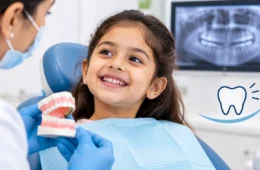

A child’s smile changes as they grow. Baby teeth gradually fall out, permanent teeth begin to appear, and the jaw develops to accommodate them. During this period, some children may develop dental problems such as crowded teeth, gaps, improper bites, or misaligned jaws. While these issues may not always be noticeable at first, identifying them early can help parents understand whether orthodontic treatment may be needed.
An early orthodontic evaluation allows a dental professional to monitor how a child’s teeth and jaws are developing. It does not necessarily mean that your child will need braces immediately. Instead, it helps identify potential concerns and determine the right time for treatment.
- Helps Identify Dental Problems Before They Become Complicated
Children’s teeth and jaws are constantly developing. During this stage, problems such as overlapping teeth, spacing issues, and irregular jaw growth may begin to appear.
Sometimes, these concerns become more noticeable only after permanent teeth start coming in. An orthodontic evaluation helps identify possible alignment problems before they become more difficult to manage.
For example, if a child’s jaw does not have enough space for permanent teeth, some teeth may grow at an angle or overlap with others. An orthodontist can examine the condition and suggest whether monitoring or early treatment would be beneficial.
Consulting an orthodontist in Kannanchery can help parents understand their child’s dental development and make informed decisions about their oral health.
- Helps Detect Crowded and Misaligned Teeth
Crowded teeth are among the common orthodontic concerns in children. This happens when there is not enough space in the jaw for all the teeth to fit properly. As a result, teeth may overlap, twist, or grow out of their usual positions.
Crowded teeth are not only an appearance-related concern. They can also make daily brushing and flossing difficult because certain areas become harder to reach. This may increase the chances of plaque buildup, tooth decay, and gum problems.
An early evaluation helps determine the extent of crowding and whether the child’s dental development needs attention. Depending on the situation, an orthodontist may recommend observation, space management, or other suitable treatment options.
- Supports Healthy Jaw Growth and Bite Development
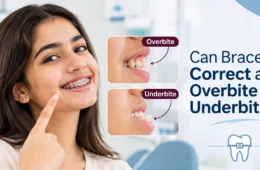
A child’s upper and lower jaws need to develop in a balanced way so that the teeth meet properly when biting or chewing. However, some children develop bite problems such as overbites, underbites, crossbites, or open bites.
These conditions can sometimes affect chewing, speech, and overall dental function. In certain cases, they may also place uneven pressure on particular teeth.
Early orthodontic assessment allows the dentist to check how the upper and lower jaws relate to each other. Since children are still growing, some developmental concerns may be easier to manage during specific growth stages.
Not every bite problem requires immediate treatment, but identifying it early gives parents a clearer understanding of the available options.
- Helps Determine the Right Time to Start Braces
Many parents assume that children should get braces as soon as their permanent teeth appear. However, the appropriate time for orthodontic treatment depends on the child’s dental development and the type of alignment problem.
Some children may benefit from early intervention while they are still growing. Others may need to wait until more permanent teeth have erupted before beginning comprehensive braces treatment.
An orthodontic evaluation helps determine the most suitable treatment timeline. The orthodontist may recommend regular check-ups to monitor changes before deciding whether braces or another treatment is necessary.
If you are looking for an orthodontist in Kannanchery, discussing your child’s dental development early can help you plan the next steps without rushing into treatment.
- Can Help Improve Oral Hygiene Habits
Children with crowded or overlapping teeth may find it difficult to clean every surface properly. Food particles can become trapped between teeth, making brushing and flossing less effective.
Over time, poor cleaning can contribute to plaque accumulation, cavities, and gum inflammation. Although orthodontic treatment is not a substitute for good oral hygiene, correcting certain alignment problems may make teeth easier to clean.
Parents should also encourage children to brush twice daily, use age-appropriate fluoride toothpaste, and maintain regular dental check-ups. Developing these habits early supports better oral health as permanent teeth grow.
- What Happens During a Child’s First Orthodontic Evaluation?
An orthodontic evaluation is generally straightforward and helps the dental professional understand how a child’s teeth and jaws are developing.
During the appointment, the orthodontist may:
– Examine the position and spacing of the teeth.
– Check how the upper and lower teeth meet.
– Assess jaw development and facial growth.
– Look for signs of crowding or bite problems.
– Recommend dental X-rays or other records if necessary.
– Explain whether treatment is needed immediately or can wait.
Parents can also discuss concerns such as crooked teeth, difficulty chewing, mouth breathing, or unusual tooth development. The orthodontist can then explain whether these observations are related to an orthodontic issue.
- Why Is Post-Braces Care Important for Children?
Orthodontic treatment does not end when braces are removed. Teeth can gradually shift towards their previous positions if they are not properly maintained.
This is why retainers are an important part of post-braces care. They help maintain the new tooth positions while the surrounding tissues adjust. The orthodontist will explain how often the retainer should be worn and how to keep it clean.
Children should also continue attending dental appointments after treatment. Maintaining good brushing habits, avoiding damaging habits, and following the orthodontist’s instructions can help protect the results for the long term.
Give Your Child’s Smile the Right Attention Early
Early orthodontic evaluation helps parents understand their child’s dental development and identify possible concerns such as crowded teeth, misaligned bites, and jaw growth problems. Although not every child needs early braces, checking their teeth at the appropriate stage can make future treatment planning easier.
If you notice overlapping teeth, unusual spacing, or bite problems, consider arranging an orthodontic consultation. At Daya Dental Clinic, parents can discuss their child’s orthodontic concerns and understand suitable treatment options.
Consulting an experienced orthodontist in Kannanchery can be a helpful step towards supporting healthy dental development and a confident smile as your child grows.