
A well-aligned smile is not just about appearance. The way your upper and lower teeth fit together plays an important role in chewing, speaking, and maintaining good oral health. However, some people have bite problems where the upper teeth extend too far over the lower teeth or the lower jaw sits ahead of the upper jaw. These conditions are commonly known as overbite and underbite.
The good news is that orthodontic treatment can help correct many bite alignment problems. Braces are one of the commonly used options for gradually moving teeth into better positions and improving how the upper and lower jaws meet. If you are experiencing bite-related concerns, consulting an orthodontist in Thiruvannoor can help you understand the available treatment options.
What Is an Overbite?
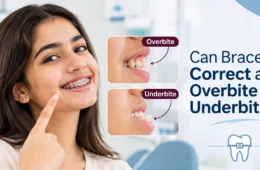
An overbite occurs when the upper front teeth overlap the lower front teeth more than they normally should. A small amount of overlap is natural, but an excessive overbite may create dental problems if left untreated.
Some people may not notice an overbite immediately because it develops gradually or has been present since childhood. However, certain signs can indicate a possible alignment issue.
Common signs include:
– Upper front teeth covering too much of the lower teeth.
– Difficulty biting or chewing certain foods.
– Lower teeth touching the roof of the mouth.
– Excessive wear on the front teeth.
– Jaw discomfort in some cases.
The severity of an overbite varies from person to person. A dental examination can help determine whether treatment is necessary.
What Is an Underbite?
An underbite is a condition in which the lower front teeth extend beyond the upper front teeth when the mouth is closed. This usually happens because of differences in jaw growth or the positioning of the teeth.
An underbite can affect both the appearance and function of your bite. Depending on its severity, it may cause difficulty chewing, speaking, or closing the mouth comfortably.
Some common signs include:
– Lower front teeth sitting in front of the upper front teeth.
– A noticeable forward appearance of the lower jaw.
– Difficulty biting into certain foods.
– Uneven tooth wear.
– Jaw discomfort or difficulty closing the mouth properly.
Underbites can develop due to inherited jaw characteristics, childhood habits, or differences in jaw development. Identifying the cause is important before deciding on treatment.
Can Braces Correct an Overbite or Underbite?
Yes, braces can correct many overbite and underbite problems, depending on their severity and underlying cause.
Braces work by applying gentle, controlled pressure to the teeth over time. This gradually moves them into more suitable positions, helping improve the alignment of the upper and lower teeth.
For an overbite, braces may help reduce excessive overlap between the upper and lower front teeth. For an underbite, orthodontic treatment may help improve the positioning of the teeth and create a more balanced bite.
In some cases, additional orthodontic appliances or other treatments may be recommended. If the bite problem is mainly caused by a significant difference in jaw structure, braces alone may not be enough. More complex cases may require a combination of orthodontic treatment and corrective jaw surgery.
An experienced orthodontist in Thiruvannoor can assess your teeth and jaw structure to recommend an appropriate treatment plan.
What Happens During Treatment With Braces?
Starting orthodontic treatment involves more than simply placing braces on your teeth. Your orthodontist first needs to understand how your teeth and jaws are positioned.
The process generally includes the following steps:
- Initial dental examination
The orthodontist examines your teeth, bite, and jaw alignment. They may also ask about any discomfort or difficulty you experience while chewing.
- Diagnostic records
Dental X-rays, photographs, and impressions or digital scans may be taken to understand your tooth positions and jaw structure. These records help with treatment planning.
- Braces placement
Once the treatment plan is ready, braces are attached to the teeth. Small adjustments are made over time to guide the teeth towards their intended positions.
- Regular follow-up visits
You will need periodic appointments so your orthodontist can monitor progress and adjust the braces when necessary.
- Retainer use
After the braces are removed, retainers help keep your teeth in their corrected positions. Wearing them as instructed is important to reduce the risk of teeth shifting again.
How Long Does It Take to Correct an Overbite or Underbite?
The duration of orthodontic treatment depends on several factors, including the severity of the bite problem, the position of your teeth, your age, and how consistently you follow your orthodontist’s instructions.
Some cases may be corrected within a shorter period, while more complicated alignment problems can take longer. Treatment may also require additional appliances or procedures depending on the cause of the bite issue.
It is important not to compare your treatment duration with someone else’s experience. Your orthodontist can provide a more realistic estimate after examining your teeth and jaw.
Why Should You Treat Bite Alignment Problems?
Ignoring a significant overbite or underbite may lead to problems beyond the appearance of your smile. Depending on the condition, it can contribute to uneven tooth wear, difficulty chewing, increased stress on certain teeth, and challenges maintaining proper oral hygiene.
Correcting bite alignment can help improve the way your teeth function and make everyday activities such as eating and speaking more comfortable.
Early evaluation is particularly useful for children because their jaws are still developing. However, adults can also benefit from orthodontic treatment, depending on their dental and jaw conditions.
When Should You Consult an Orthodontist?
If you notice that your upper or lower teeth do not meet properly, or if you experience difficulty chewing, unusual tooth wear, or persistent bite discomfort, consider scheduling an orthodontic consultation.
At Daya Dental Clinic, patients can discuss their alignment concerns and explore suitable orthodontic treatment options. If you are looking for an orthodontist in Thiruvannoor, a professional evaluation can help you understand whether braces or another treatment approach is appropriate for your condition.
Improve Your Bite and Take Care of Your Smile
An overbite or underbite does not always require treatment, but significant alignment problems should not be ignored. Braces can help correct many bite-related concerns by gradually improving tooth positioning and supporting better dental function.
The right treatment depends on the cause and severity of the problem. Consulting an orthodontist can help you understand your options and take the next step towards a healthier, more comfortable smile.